Skip to content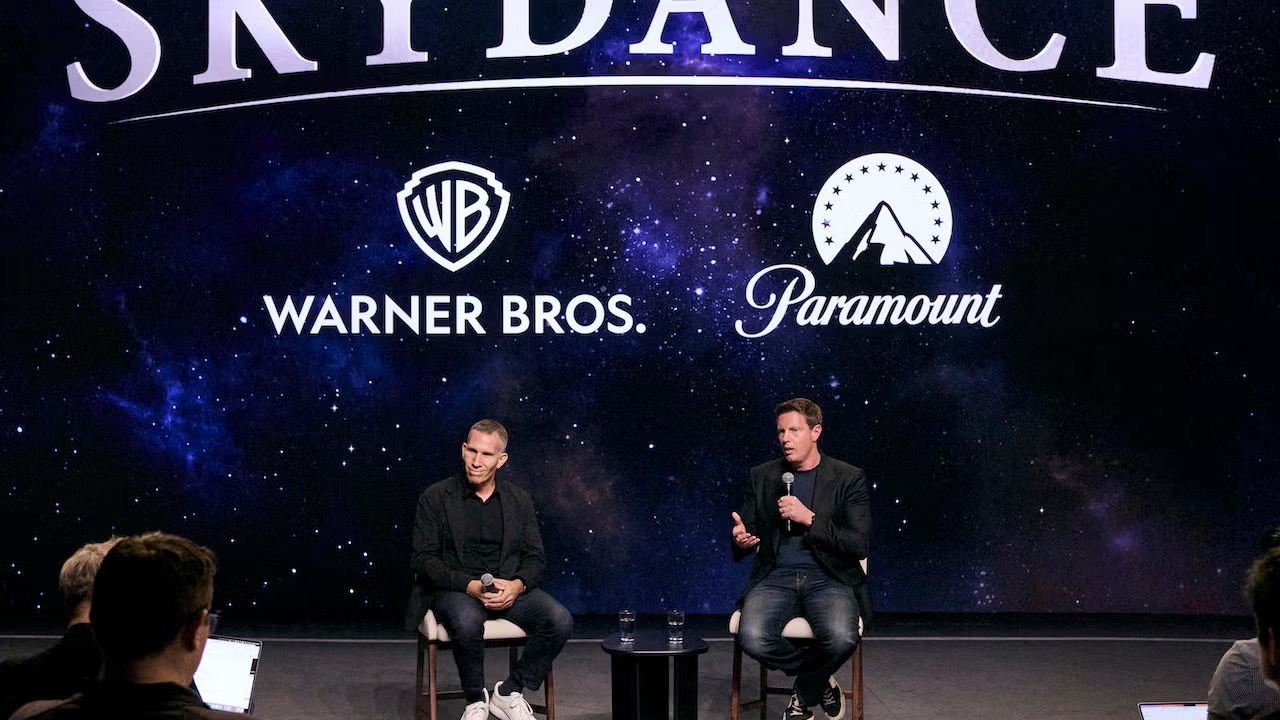
Welcome back to “The Media Front.”
With the $110 billion merger of Paramount and Warner Bros. Discovery officially completed, David Ellison now controls the media giant over two major film studios, CBS, CNN, HBO, streaming services and some of television’s most valuable sports rights. The deal gives Skydance greater scale to compete with Disney, Netflix, Amazon and other media giants, while strengthening its bargaining power in terms of programming, distribution and advertising.
But there is a contradiction at the heart of the merger: Skydance intends to make traditional media more competitive against Big Tech, even as its creation reduces the number of independent competitors within traditional media itself.
Consider the streaming industry. Paramount+ and HBO Max spent years competing for subscribers and programming. Bringing them together could give Skydance a stronger offering against Netflix and Disney while simplifying the choices viewers face.
But the consequences are not limited to subscribers. Agents who had two separate companies bidding for projects could themselves negotiate with a single corporate buyer. And a larger streaming library doesn’t necessarily translate to better prices or more choices for consumers.
The implications extend to traditional television.
CBS and CNN now belong to the same corporate family, giving Skydance access across broadcast, cable and digital news. The two groups will remain editorially independent, according to company officials, but will still compete for audiences, advertising and talent. The two also face the challenge of reaching viewers beyond traditional television.
Meanwhile, CBS Sports and TNT Sports bring together major rights packages, including the NFL, March Madness, Major League Baseball and the NHL. These properties will be particularly valuable when viewed alongside Skydance’s wider television and streaming portfolio.
For advertisers seeking audiences across news, entertainment and sports, Skydance can offer a wider range of programming through one corporate relationship. For cable and satellite broadcasters, a deal with a company that controls more high-demand channels and live events could change the lever on both sides of the table. That doesn’t mean all deals can be combined, but it does give Skydance more assets that distributors may find difficult to do without.
There is a reasonable argument that traditional media needs this kind of scale. YouTube commands massive viewing time, Netflix has become a global entertainment powerhouse, and Amazon and Apple have the resources to compete fiercely for programming and sports rights. Paramount and Warner Bros. Discovery faced these pressures individually, with no guarantee that they would leave them independently in a better position.
Ellison has also promised to increase production, with Skydance promising at least 30 theatrical releases and more than 180 television shows and series each year. If these intentions are realized, the combined company could create more opportunities for filmmakers, producers and audiences despite fewer independent corporate owners.
However, it is difficult to avoid the extensive trade. The same consolidation that could make Skydance a stronger competitor to technology companies also puts more decisions about programming, distribution and investment in fewer hands. For creators, that could mean fewer places to sell a project. For distributors, a more powerful negotiating partner. For viewers, maybe more content in one place, but less competition among the companies that decide what gets done.
Paramount and Warner Bros. Discovery sure would have a better future for themselves. But coming together changes more than the ability to compete with Netflix, YouTube and Amazon. It changes the options available to everyone who does business with them.
Hollywood has spent years arguing that traditional media companies need greater scale to survive. Ellison has now put that argument to one of its biggest tests yet.
Skydance may level the playing field against Big Tech. The question is whether that leaves enough room for everyone else to play.
Now on to the rest of this week’s Media Front column.
The White House Press Fight is far from over
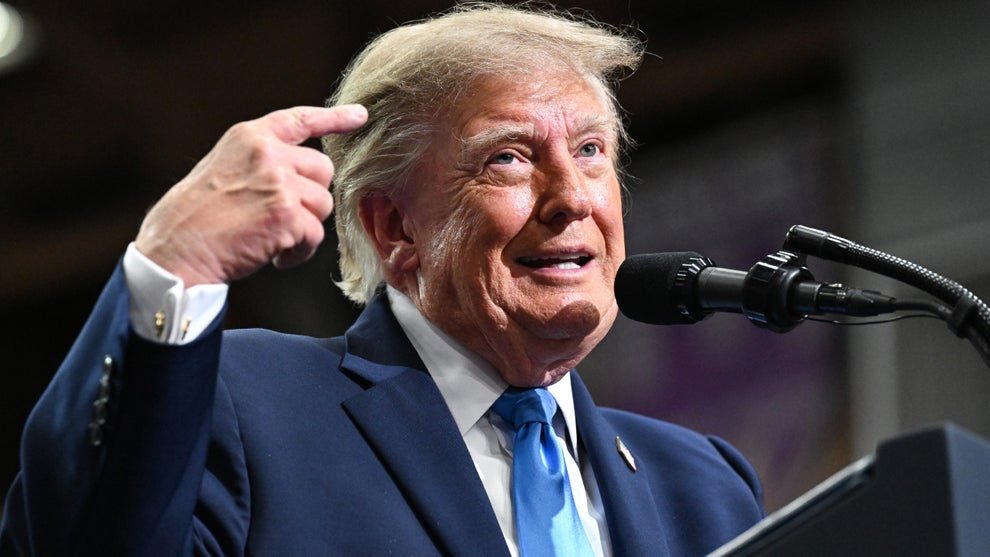
The legal battle over President Donald Trump’s decision to ban CNN, MS NOW and Politico from the White House is headed for a resolution. US District Judge Timothy Kelly on Thursday extended an order temporarily suspending the ban, allowing the three news organizations to retain their credentials while he considers whether to grant a preliminary injunction. Kelly is expected to rule by Tuesday, October 13.
The centers argue that Trump tried to punish them for unfavorable coverage, while Justice Department lawyers have defended the restrictions on national security grounds and insisted that the groups were given a chance to challenge their exclusion. It is a case where legitimate government control of media access ends and unconstitutional retaliation begins.
Meanwhile, Trump on Saturday named conservative reporter Katie Zacharia as his new press secretary, succeeding Karoline Leavitt, who left in August. Zacharia previously advised the Trump Media and Technology Group and appeared frequently on Fox News, widening the revolving door between the conservative media and the administration.
My whole piece: Trump media ban extended as judge weighs ruling
The Emmys no longer need broadcast television
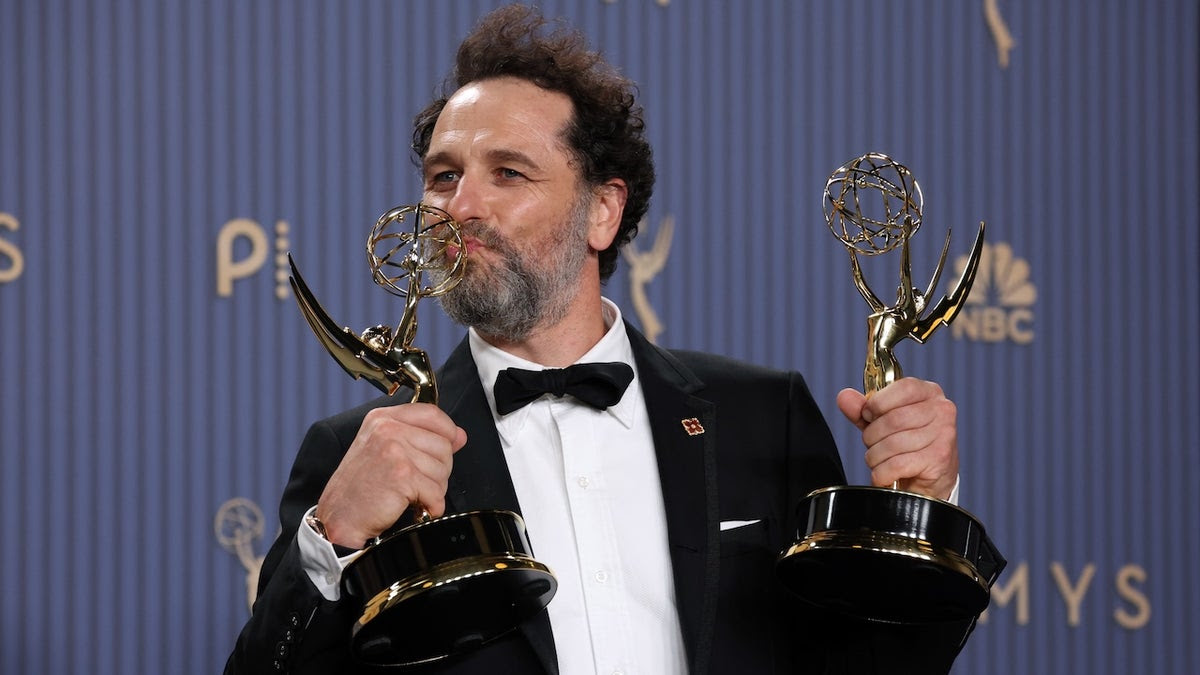
After more than three decades rotating among ABC, CBS, NBC and Fox, the Emmy Awards are moving to streaming. The Television Academy announced a six-year deal with Amazon that will bring the ceremony exclusively to Prime Video starting in 2027, ending one of broadcast television’s longest-running award partnerships.
The move reflects the changing economy of live television. In interviews with TheWrap, Television Academy chairman Cris Abrego and Amazon chief executive Mike Hopkins discussed the deal, which will keep the ceremony free to viewers while giving Prime Video another major live event alongside its growing lineup of sports and entertainment.
For decades, the Emmys were a showcase for the broadcast networks and the television industry they helped build. Now the industry’s signature awards show is heading to a streaming platform. It’s another sign of how the definition of television – and the business of distributing it – has changed.
Full Jose Alejandro Bastidas piece: Emmys Move to Prime Video in 6-Year Deal, TV Academy Chairman Explains Why
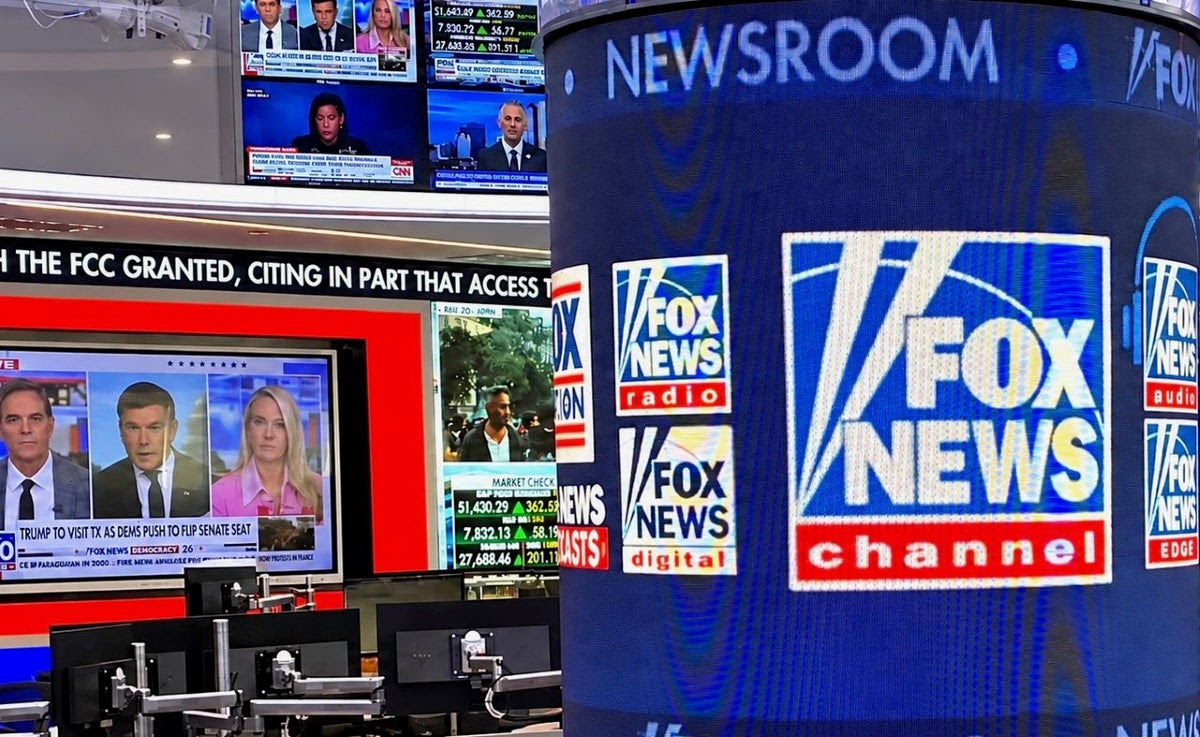
Fox News at 30: Building Beyond the Cable Empire
Fox News celebrated its 30th anniversary this week with its cable business still firmly in first place. The network averaged more than 1.7 million prime-time viewers in September, more than double the audience of MS NOW and more than triple that of CNN, according to Nielsen. That strength has helped Fox expand its presence in streaming, podcasts and digital platforms.
In my analysis of Fox’s next chapter, executives and industry observers described company building around its cable business rather than rushing to replace it. “I think Fox News Channel will continue to be the core of what Fox News Media is,” Fox News Media president and executive editor Jay Wallace told me.
Thirty years after it was launched as a challenger to the established cable news networks, Fox is now the owner. Its next challenge is to retain that dominant television audience while following viewers on platforms outside the traditional cable pack.
My full piece: Fox News Built a Cable Empire. Now he’s building around it
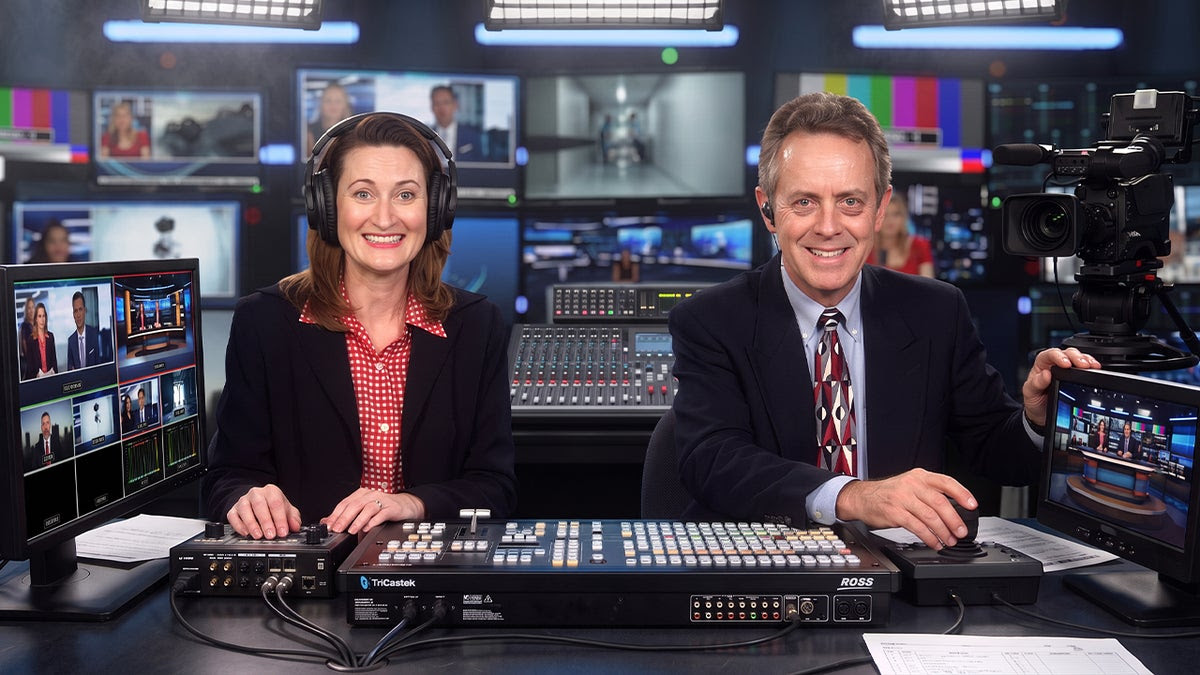
Local TV anchors make more than an anchor
At Fox 26 Houston, Caroline Collins can find herself switching cameras, building graphics and controlling audio while anchoring a live stream – duties traditionally handled by producers, directors and technical crews. Collins has said it was “extremely stressful” anchoring and running her own show.
In my latest report, journalists and station executives described how production technology and growing demand for digital programming are changing expectations for local TV anchors. Although the practice is not entirely new, leaner production models allow stations to produce more content with smaller teams.
That flexibility can give anchors more control over their broadcasts, but it also raises questions about workload, burnout and the future of behind-the-scenes jobs. With local television stations facing wider stops and the pressure to work with slimmer newsrooms, the traditional divide between anchoring and production is becoming less distinct. For journalists, that increasingly means taking on responsibilities once they are spread among several staff.
My full piece: Local TV anchors are becoming their own production teams
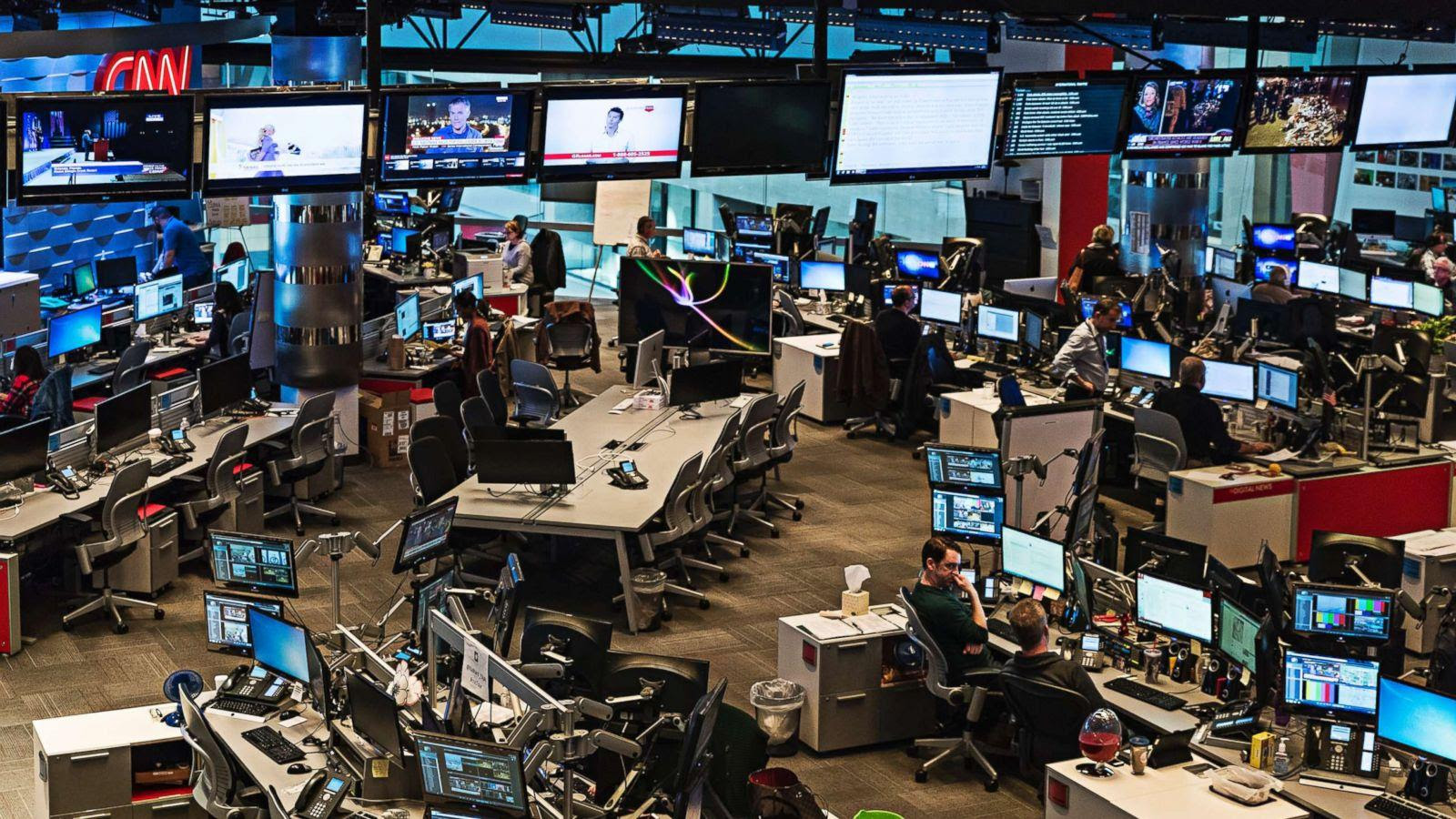
This week on PRO: CNN and CBS News can stay separate. But can their jobs?
CNN and CBS News now have a corporate owner, but Skydance executives want the two organizations to remain editorially independent. That does not necessarily mean that the expensive jobs that support them will remain isolated.
Former news executives and industry consultants told TheWrap that international bureaus, production teams, resources and technology offer opportunities that could reduce duplication. But combining resources also raises questions about who will control them and how two competing newsrooms will maintain their ability to cover stories independently.
“Simply living under the same roof doesn’t guarantee anything,” former CNN/US president Jon Klein, who previously worked at CBS News, told TheWrap.
Next week, I’ll examine where CNN and CBS News could truly share resources, why previous efforts to bring them closer together have met with obstacles and where the pursuit of efficiency may begin to affect journalism itself.
Look for the full review this week on WrapPRO.