 Skip to content
For about seven years between the late grandchildren and the early 2010s, David Fincher looked like one of Hollywood’s great auteurs, a rising talent who embraced early digital cinema, a perennial Oscar contender, and someone who could make dark, pulpy, substantial films with serious commercial appeal. Between classics like “Zodiac,” “The Social Network,” and “Gone Girl,” he could do no wrong.
Then Fincher ventured into another new frontier: Netflix and the world of streaming. “House of Cards,” which he produced and directed two episodes of, was Netflix’s first major hit – and streaming – and proof that the raging Netflix model is the future. By giving Fincher creative control over the series, a big budget, and a two-season order before shooting a pilot, the show’s success put Netflix on the map as a major TV player alongside HBO, something Fincher himself was instrumental in. He compared working with Netflix at that time to the way auteurs at Warner Bros. working in the 70s, with the freedom to go out and do what was discussed, no questions asked or studio notes offered.
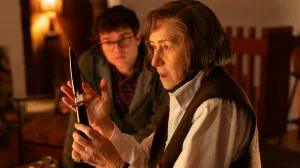
For the last decade, Fincher has maintained that loyalty and loyalty to Netflix as part of a comprehensive deal that saw him direct two features and a third in the upcoming “The Further Mis-Adventures of Cliff Booth,” as well as producing “Mindhunter,” the anime series “Love, Death & Robots,” and several other projects (we’ll see if the “Squid Game” spinoff ever teased him). He joined Netflix after the fallout of a series of “World War Z” originally slated for release in 2017, which means he hasn’t made a theatrical film since 2014’s “Gone Girl.”
As first reported in Bloomberg, Fincher will not renew his contract with Netflix when it expires in 2027 after the release of “Cliff Booth”. But that doesn’t mean this is the end of the Fincher Era at Netflix; he could still make his next film at the streamer, and he doesn’t have a deal elsewhere as is the case with two other big-name directors who just left their Netflix deals, including Noah Baumbach, who is heading over to Warner Bros.’ Clockwork, and Shawn Levy, who is moving his TV deal to Disney.
Fincher’s theatrical streak will come to an end when Netflix actually allows him to launch “Cliff Booth” into theaters this Thanksgiving before it hits Netflix around Christmas. And we can’t deny that Fincher knew he was directing Tarantino’s script which was a sequel to “Once Upon a Time in Hollywood” is really one of those that hits me, I can’t believe this isn’t an April Fool’s Day joke news piece. If the film holds up, it could easily change the narrative of Fincher’s Netflix legacy.
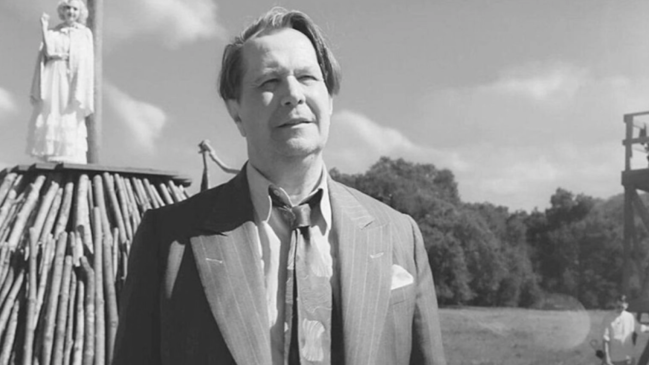
The rest is worth re-evaluating though. “Mank” won two Oscars and was nominated for Best Picture and Best Director. This is one of those films you’d be hard-pressed to imagine could be elsewhere: a black-and-white biopic about the boozing co-writer of “Citizen Kane” doesn’t scream commercial failure. Few legacy studios would accept it, but Netflix and then film boss Scott Stuber did. “The Killer” was also an experiment on a smaller scale of sorts, a slow but moody blockbuster, driven by a character that a major studio probably wouldn’t have taken a chance on either. We can’t say we’ve heard anyone talk about this one in the two years since its release, but it spent four weeks on the Netflix Top 10 Global, and the Netflix What We Watched engagement report from the first half of this year says that over 12 million people still watched it in that six-month period. It is not just about the quality of these films. Over the course of Fincher’s contract, Hollywood has come to appreciate the cultural currency that a large theatrical release can offer. There’s a reason why even Netflix is embracing cinemas more.
By giving Fincher the opportunity to play in TV and animation there are other areas that a place like Apple or Amazon might be willing to throw a lot of money at, but Netflix got there first. “Mindhunter” has some devoted fans, to the point that it topped the New York Times poll of the best shows of the 21st century. But the high cost of creating a period setting meant that the third season did not materialize, and despite the fact that many people often ask Fincher in interviews for renewal, it does not seem that he is determined to bring it back from the ground.
Fincher lets his contract expire – or Netflix lets it expire – probably speaks more to what film boss Dan Lin wants to prioritize. He has to face a perception, fairly or unfairly, that he is more republican and less willing to throw money at big-name auteurs than Stuber was with Fincher and Baumbach. That said, he has rolled out the red carpet for Greta Gerwig and bought ambitious Cannes titles like “La Bola Negra” and “Emilia Perez.”
But it also unofficially ends a period of Fincher’s career in which, for better or for worse, the iconic films will not be the same as those that came before.
