Skip to content
Sci-fi has been a television staple long before streaming came along, and Netflix has added plenty of hits to the genre. From distant galaxies and mind-bending technology to AI-powered machines, the platform has no shortage of sci-fi shows worth watching. But a great premise can only take a series so far. Keeping the quality up across multiple seasons is another challenge entirely, especially when a show needs to balance its big ideas with characters that audiences actually care about.
The best sci-fi doesn’t just imagine what technology might look like in the future. It also digs into human nature, exploring how our desires, flaws, and ambitions can get tangled up in the very things we create. Some shows tackle these ideas through standalone stories, while others build meticulous mysteries that span decades. From a popular anthology series to a mind-bending time-travel thriller, here are Netflix sci-fi shows with no bad seasons, ranked.
5
‘Black Mirror’ (2011–Present)
Black Mirror made a lasting impression when its first episode featured a Prime Minister doing something audaciously jaw-dropping. Since then, the sci-fi anthology series has explored the fatal consequences of relying on fictional technology, often highly advanced and borderline intrusive, and what happens when people use these innovations for questionable purposes. The scary part is that these scenarios aren’t so far-fetched from reality. If there’s one thing technology can take advantage of, it’s human desire, whether that means climbing to the top of the popularity food chain or trying to reconnect with someone you’ve long been estranged from.
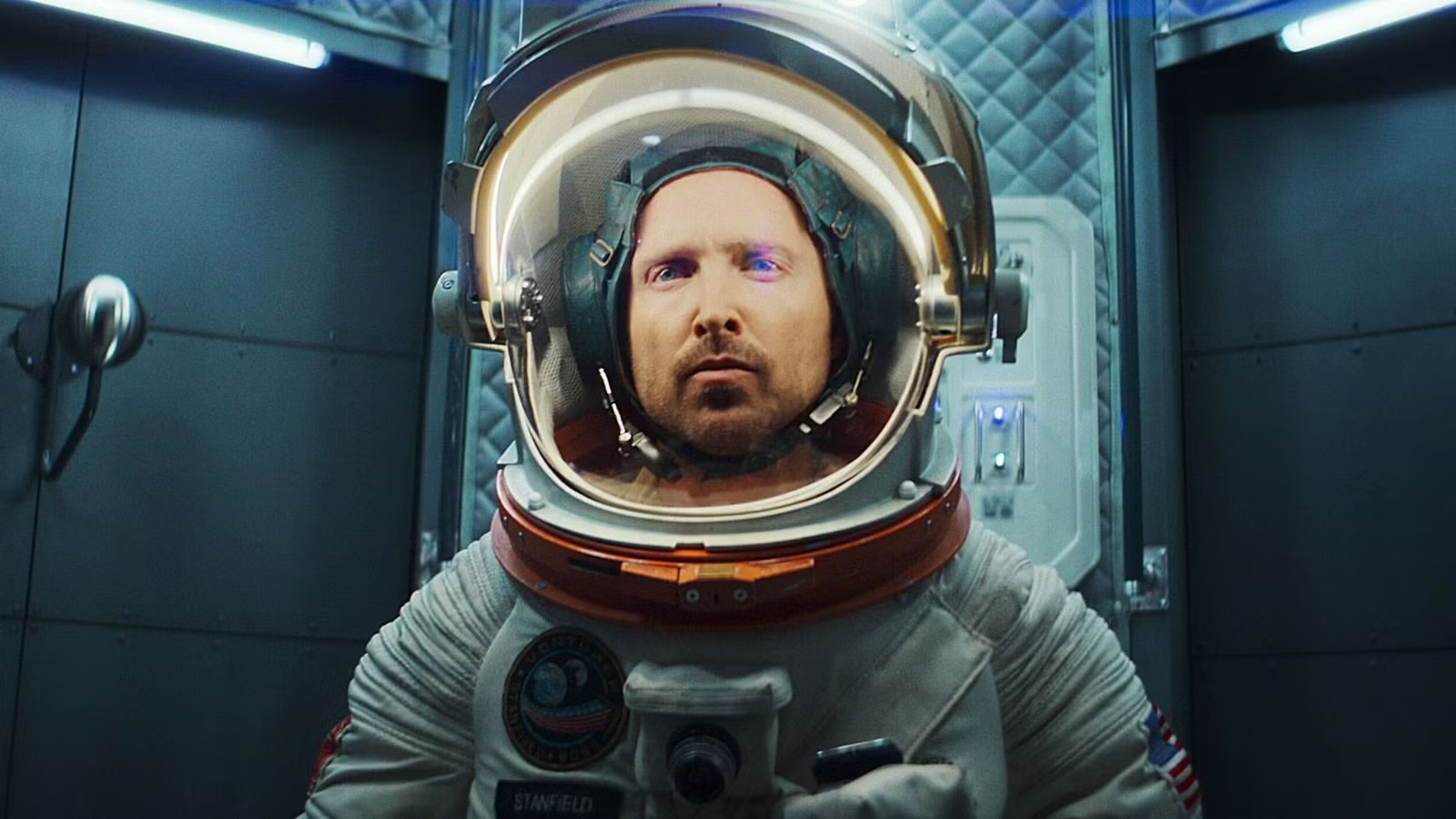
Granted, audiences may have doubts about certain seasons, particularly Seasons 5 and 6, which are generally considered the show’s weaker entries. While the later seasons don’t always pack as big a punch as the earlier hits, that doesn’t mean they can’t deliver thought-provoking episodes that leave audiences squirming at the possibilities. But another draw is the talent featured in the show. Because of its anthology format, actors like Bryce Dallas Howard, Daniel Kaluuya, Aaron Paul, and many others can bring a distinct angle to each story. With a different cast and premise in each episode, Black Mirror can explore a wide range of anxieties about technology and human behavior without being tied to one set of characters.
4
‘Travelers’ (2016–2018)
In Travelers, saving the future means taking over the lives of people in the past. Civilization has collapsed in the distant future, and the only way to stop humanity from reaching that point is to send people back to the 21st century. However, instead of physically traveling through time, these people transfer their consciousness into the bodies of people who are already alive, taking over their identities to prevent disasters before they happen. However, the value of people’s lives depends not only on whether they can prevent the apocalypse but also on whether humanity deserves saving if doing so means treating innocent people as collateral damage.
The setup sounds like your usual time-travel sci-fi, but Travelers takes a darker turn by making its characters answer to a quantum AI called the Director. This thing decides which bodies they can take over and which missions are worth prioritizing, leaving the travelers to follow orders even when the consequences get ugly. And when the fate of millions in the future outweighs the lives of people living in the present, things get complicated fast. The series basically turns human life into a numbers game, where individual people become expendable if their deaths help secure a better future. It’s a pretty messed-up trade-off, especially when the people making these decisions aren’t the ones paying the price.
3
‘Sense8’ (2015–2018)

Most sci-fi shows would probably spend an entire season explaining how eight strangers can suddenly share each other’s brains, but Sense8 has bigger things to worry about. The series follows eight people from different parts of the world, including a Nairobi matatu driver, a Seoul martial artist, a San Francisco hacktivist, and a closeted actor in Mexico City. Despite never meeting in person, they can access one another’s memories, emotions, and skills. Unfortunately, this strange connection also puts them on the radar of a dangerous organization that’s determined to hunt them down.
The premise alone makes for a pretty wild sci-fi series, but Sense8 is just as interested in the people behind this bizarre phenomenon. Each character comes from a different background, and their respective cultures, personal struggles, and circumstances give them plenty of reasons to see the world differently. They still have their own problems to deal with, and learning to share their experiences isn’t always easy. Instead of treating its characters like pieces of a puzzle that need to be solved, Sense8 gives their individual stories room to breathe while gradually bringing them together. The sci-fi elements might draw viewers in, but it’s the messy process of learning to trust people they’ve never met that makes it all the more frustrating that Sense8 was canceled so abruptly after just two seasons.
2
‘Stranger Things’ (2016–2025)

Nothing makes for a more fun premise than a bunch of scrappy kids accidentally discovering secret government experiments. Stranger Things is a delightful coming-of-age story that hints at Steven Spielberg but isn’t afraid to double down on supernatural horrors à la Stephen King. Set in the 1980s, the fictional town of Hawkins, Indiana, is dumbstruck when its residents realize something’s amiss in their sleepy town, and a hell-like dimension threatens to destroy their beloved home. Just as young Will Byers (Noah Schnapp) goes missing, his friends discover a girl named Eleven (Millie Bobby Brown) who possesses psychokinetic powers.
The Upside Down gives Stranger Things its signature sci-fi appeal, but its camaraderie gives the show its heart. The thing about children is that, most of the time, their intentions are genuine. Sometimes they’re misguided, and they don’t always get along or want to work together because of personal grudges. However, that doesn’t stop monsters from trying to eat them one by one, and they don’t necessarily have the power to fight back. But what’s stronger than powers is loyalty. As the group tries to figure out unexplained phenomena and events beyond their understanding, they might be scared, but they know they can always rely on each other, even when they’re on the verge of death.
1
‘Dark’ (2017–2020)

Time travel is often associated with changing the past to change the future, but Dark takes the concept much further. The German sci-fi thriller plays around with time travel so much that viewers can’t help but binge all three seasons to see how the tiniest actions can affect multiple periods. In the German town of Winden, children disappear, and the mystery soon entangles four families across generations. What begins as a missing child case gradually reveals a complicated time structure intertwining 1953, 1986, and 2019, with each generation bound together by a lingering sense of loss and grief.
The best sci-fi shows are the ones that, for all their logic and rationale, deliver a profound human message. Mind-bending twists aside, Dark remains a story about interconnected trauma and the consequences of people’s choices. The series utilizes time travel to emphasize how, no matter how much the characters learn or how desperately they try to change their circumstances, they remain trapped in situations they cannot easily escape. Its intricate timelines also show the importance of small details in building a cohesive story, with recurring imagery, dialogue, and character connections tying different eras together. Every revelation adds another layer to the mystery, but it also reinforces how deeply the characters’ lives affect one another.

Dark
- Release Date
-
2017 – 2020-00-00
- Network
-
Netflix
-

Louis Hofmann
Jonas Kahnwald
-

Lisa Vicari
Martha Nielsen