 Skip to content
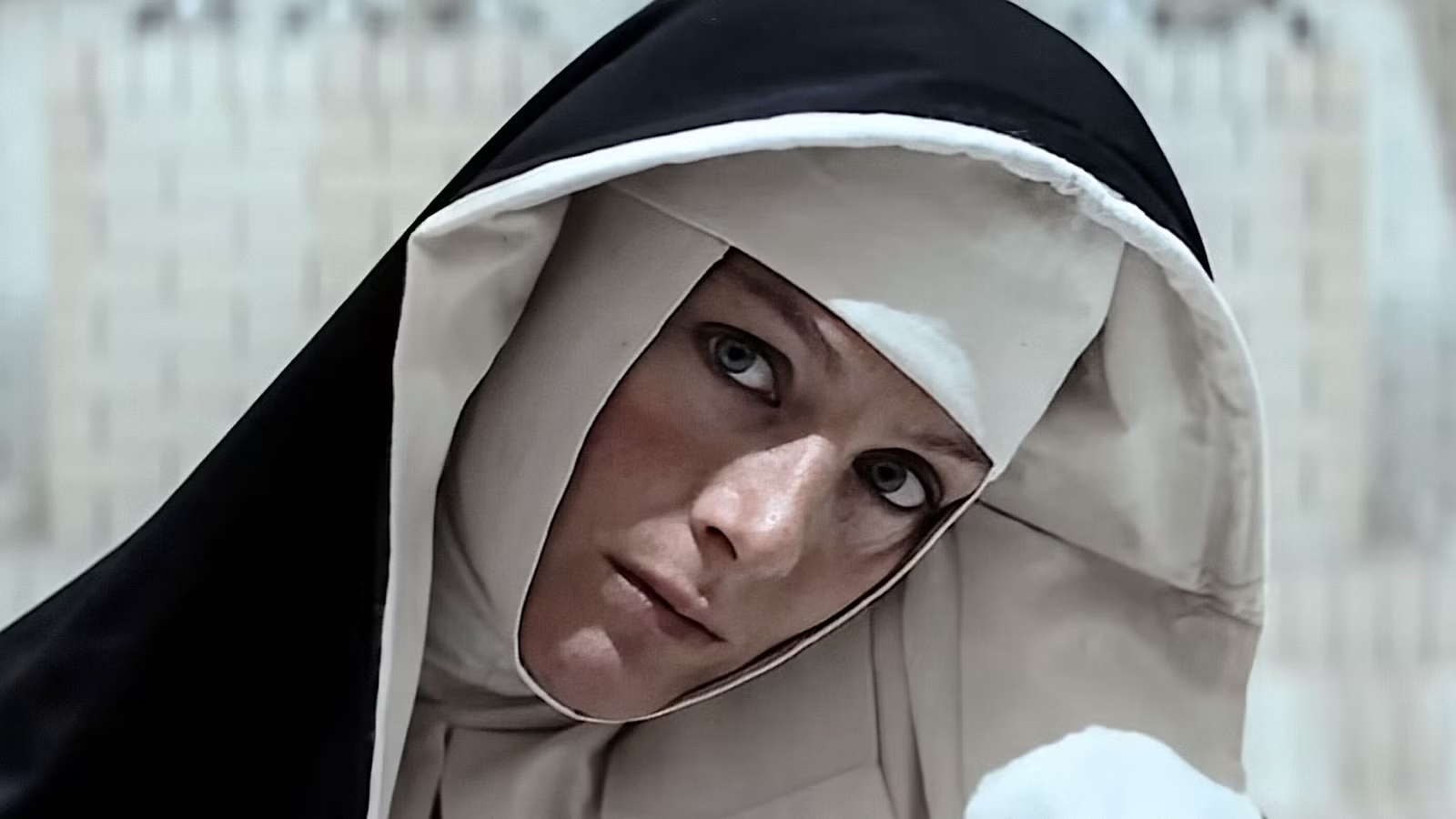
I felt something between dismissiveness and contempt for Ken Russell‘s The Devils the first time I saw it 15 years ago, while in film school—viewed on a sub-VHS quality, censored bootleg because that was the best version available. At the time, I discounted it as empty exploitation, and failed to embrace the technical artistry and thematic depth. (This was also a time when I worshiped Roger Ebert‘s writing, and surely was influenced by his zero-star 1971 review.)
It shouldn’t really be a shocker that a 20-year-old college student might change his mind about a film a decade and a half later. But the journey I’ve gone on with The Devils is unlike anything else in my life as a cinephile—a personal experience that is largely reflective of the overall change in public opinion regarding the English director’s infamous, genre-bending, long-censored or outright banned magnum opus.
I warmed to The Devils after watching another low-quality, unofficially released cut of the film a few years ago—this time with a few minutes of previously censored footage rather clumsily edited back in (several scenes were considered lost before film critic Mark Kermode discovered them, reportedly mislabeled and nearing total decomposition, in a Warner Bros. vault in 2002). My change in opinion wasn’t just due to the passage of time; the most controversial, long-censored moments of The Devils are, in fact, indispensable to its impact, and once they are added in, they completely alter the experience of watching it for the better.
I had a healthy level of anticipation walking into the 2026 proper re-release of the uncensored cut of The Devils — the first time an uncut version has ever been made officially available. After experiencing Warner Clockwork’s stunning restoration, I can easily say I’ve never changed my mind so drastically about a movie in my entire life.
Spectacularly restored using elements from Russell’s personal copy of the film as well as the original negative, The Devils feels timeless in its vision. A frenzied genre hybrid of 17th-century period drama, darkly hilarious satire, and shocking, sobering psychological horror, this is one of those rare movies that you can truly say is unlike anything else you’ve ever seen. The Devils is a subversive, shocking masterpiece with ferocious entertainment value and genuine spiritual depth. It’s heartening to see that the film has been embraced in its 2026 theatrical run, extended beyond the original intended one-week window, while receiving universal critical acclaim that once eluded it.
What Is ‘The Devils’ About?
Russell’s script is based on a 1952 Aldous Huxley non-fiction book and a 1960 John Whiting play of the same name, both of which were inspired by real people and events that occurred in western France circa 1634. In the performance of his career, Oliver Reed plays Father Urbain Grandier, an impossibly charismatic, sexually active, hypocritical and selfish Catholic priest who commands considerable influence and power within the walled French city of Loudun. Seeking to overthrow Grandier in order to demolish Loudun’s walls, Cardinal Richelieu (Christopher Logue) and King Louis XIII (Graham Armitage) see an opening when the sexually repressed abbess Jeanne des Anges (an expertly chilling Vanessa Redgrave), obsessed and rejected by Grandier, accuses the priest of heresy and witchcraft. Front and center in The Devils, Reed and Redgrave deliver Oscar-caliber performances that surely would have garnered Academy attention if the film hadn’t been so mired in controversy upon initial release.
The outcome of Grandier’s ensuing trial is decided before it begins, and the setup of the first two acts leads to a gruesome series of rolling climaxes filled with torture, depravity and death. Grandier’s faith is put to a final, unspeakable test as he’s pressured to confess to crimes that no one actually believes he committed. Meanwhile, the nuns of Sister Jeanne’s Ursuline convent are essentially political prisoners; if they fail to contribute to the hysteria, doing and saying exactly what the King and Cardinal expect of them—essentially, feigning demonic possession—they’ll surely be tortured and killed, too. Just like Grandier, they are entirely at the mercy of corrupt, powerful, and perhaps even truly evil men.
Over a now-complete runtime of almost two hours, The Devils descends into pure madness and hysteria that’s still outrageous and shocking in 2026; perhaps it’s not all that hard to understand why international censors struggled so notoriously with it in 1971.
Ken Russell’s Defining Work Is Finally Uncut and Uncensored, In an All-Time Great Restoration
-
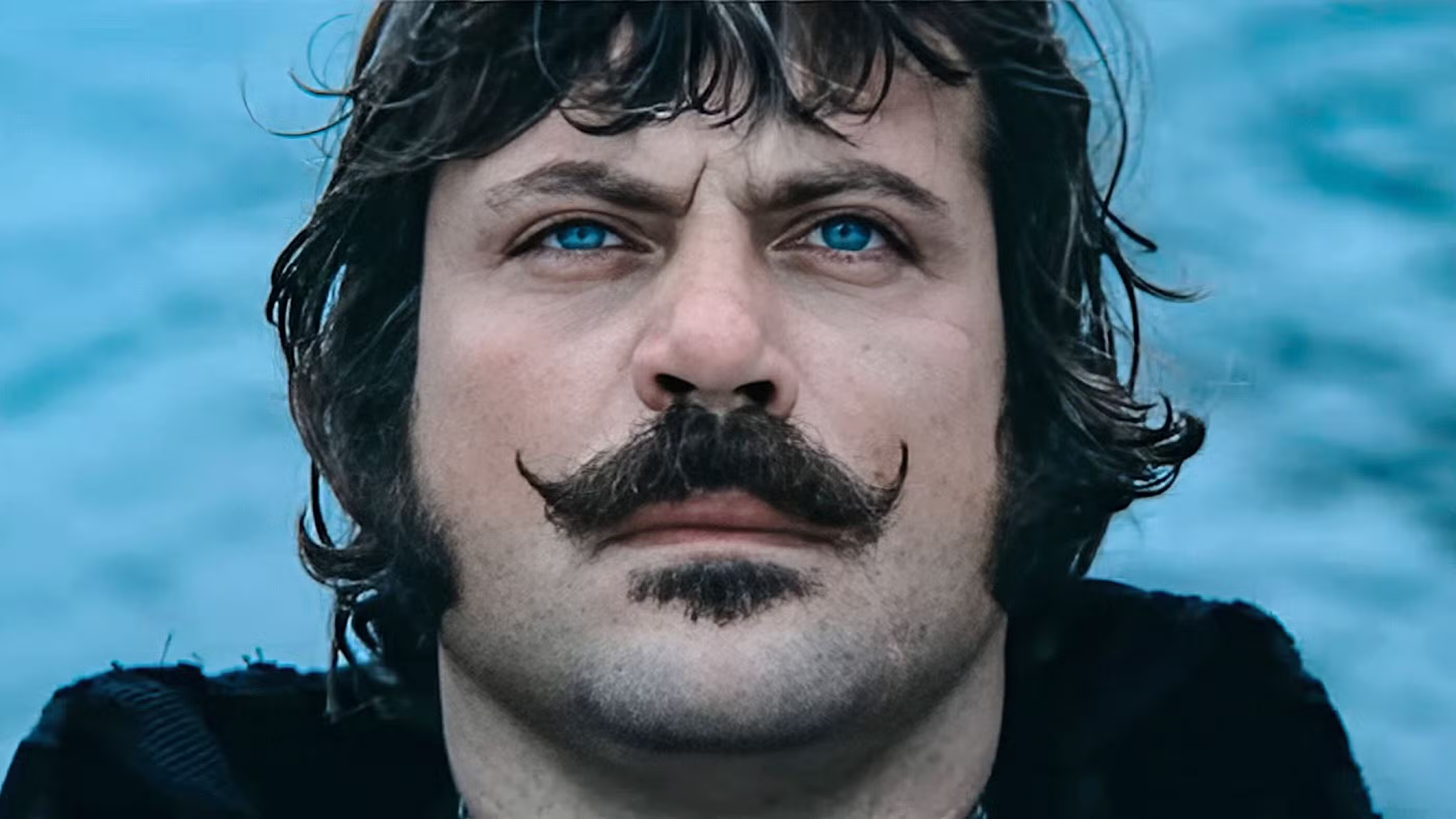 Image via Warner Bros.
-
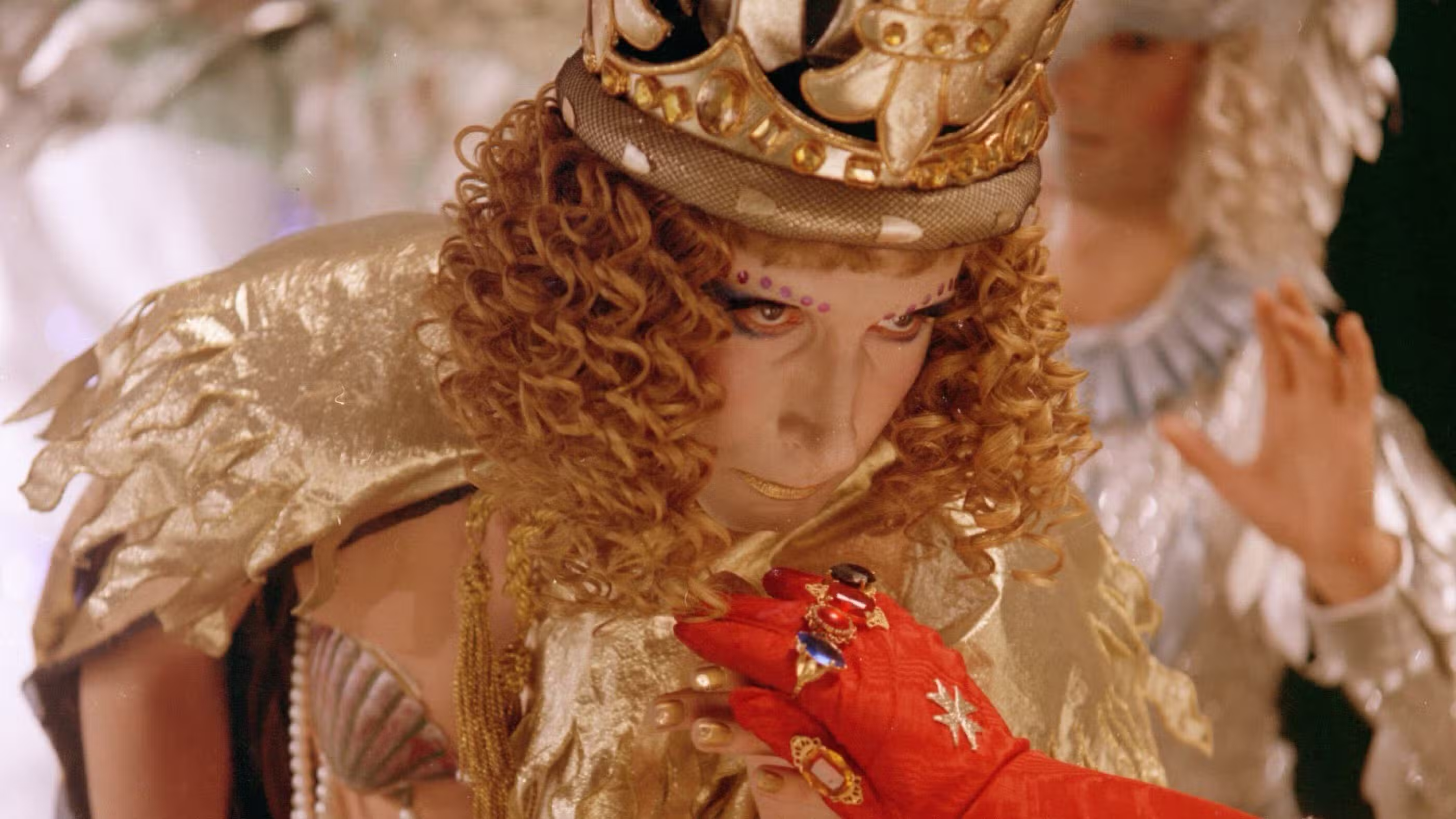 Image via Warner Bros.
-
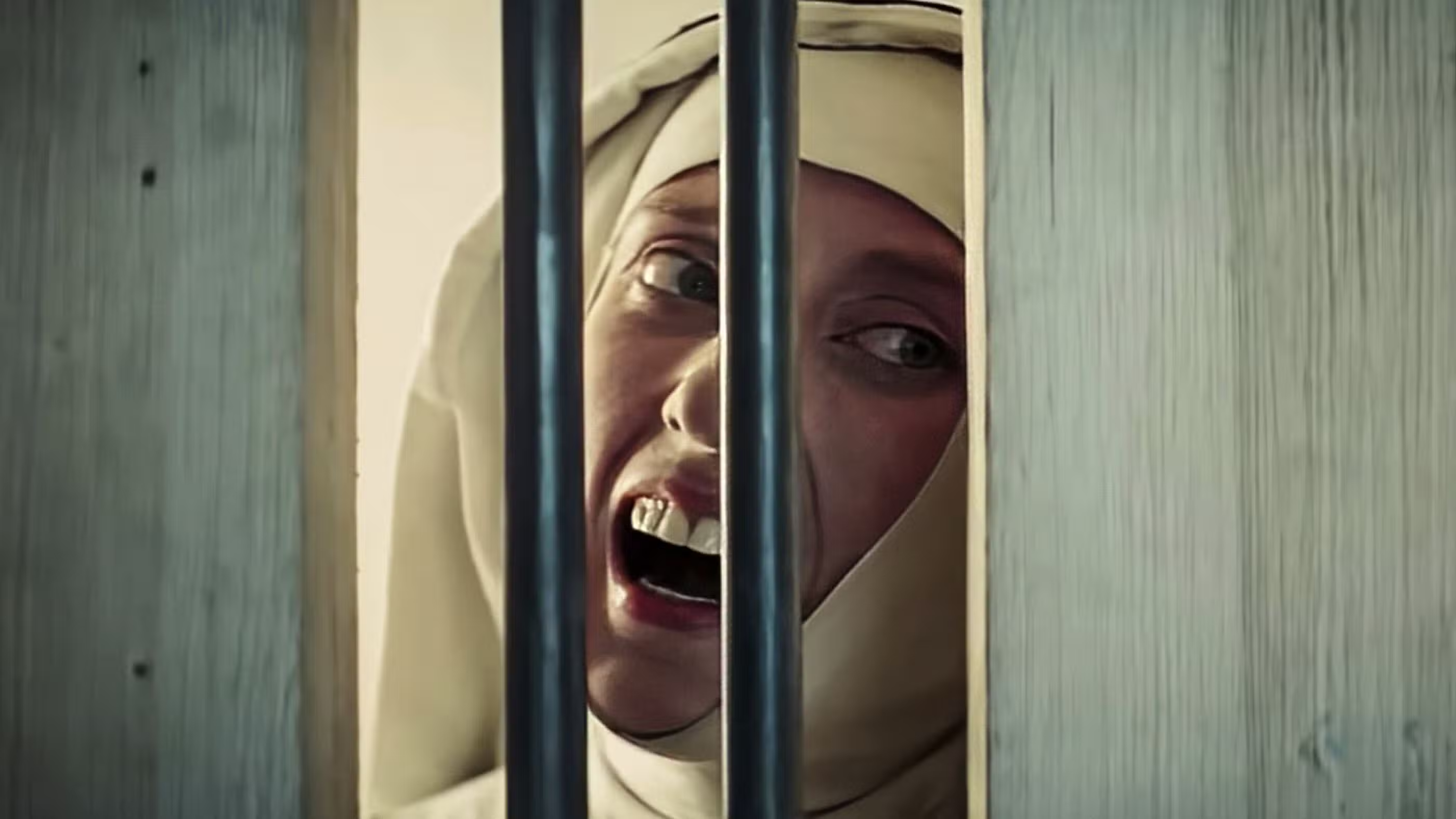 Image via Warner Bros.
If work like Robert A. Harris’ on Lawrence of Arabia, and Harris and James C. Katz’s on Vertigo remain the gold standard for restorations, then surely this achievement by Warner Clockwork (The Devils is the first theatrical release from the arthouse label founded in late 2025) deserves to be mentioned in the same breath. It’s all the more remarkable given the The Devils” beleaguered history. Executed in tandem with production designer Derek Jarman and cinematographer David Watkin, Russell’s vision of The Devils is garishly exaggerated period detail, expressionistic but thoroughly cohesive. Whether experienced on digital, or even better, via one of many 35mm prints playing internationally, this new restoration reveals striking touches you simply couldn’t fully appreciate from previous transfers, from the King’s sleazily splashy metallic gold wardrobe to ashy bone matter visible in the wake of a climactic execution.
The restoration of the previously censored scenes do far more than satisfy the viewer’s curiosity; they profoundly alter the film. The most infamous scene in The Devils—the one that was long considered lost media and made this picture something of a white whale of banned films—is a spectacularly unsettling orgy set atop a crucifix. Out of context, this seems like pure shock value. In the final cut here, though, as Russell intended, it’s juxtaposed with Grandier partaking in sacrament and a newly married life, making strides toward becoming a better and more sincere man. This sequence is the heart and the point of the entire film; there’s a kind of raw, maniacal power to it that’s hard to describe. Removing it guts the entire experience and thesis. And restoring it is essential in making The Devils one of the most exciting things to happen to cinema in 2026.
‘The Devils’ Depicts a Lot of Blasphemy, but That Doesn’t Make It Blasphemous

The most powerful movies I’ve ever seen about the Christian faith (and as a Christian myself, I suppose this means they are the most powerful movies to me, period) are intense and disturbing, movies about faith strengthening in the face of overwhelming adversity. And after seeing this thrilling new restoration of The Devils, I would directly compare it to two other punishing, widely acclaimed films that tackle the complexities of Christian faith against oppressive darkness and corruption: William Friedkin‘s supernatural horror classic The Exorcist, and Abel Ferrara‘s disturbing crime drama Bad Lieutenant. In my eyes, these movies form a kind of spiritual trilogy, each about critically flawed men struggling with Catholic faith, who are redeemed at the eleventh hour through the most horrific tests imaginable. All three of these pictures are graphic and remarkably disturbing watches, but the punishing content serves a purpose in all three cases. Faith tests the faithful; cinema provides a uniquely visceral and immediate means of conveying this.
The Devils stands apart from these other two movies in its disarmingly funny dark humor and focus on sheer period spectacle, but the thematic links are undeniable. Beneath the layers of horrid spectacle and biting satire—and, in fact, enhanced by all of that—this is actually one of the most earnestly affecting movies about Christianity you’ll ever see.
This fact might surprise some who’ve chosen to condemn The Devils over the years, but Russell was a practicing Catholic since young adulthood, and he made this picture as a means of protesting those who bastardize faith, and matters of church and state, as a means of manipulation and abusing power. On one hand, it’s disheartening that it’s taken 55 years for audiences and critics to fully appreciate how perfectly he succeeded in his mission. At the same time, this restoration is an astounding achievement. It isn’t really an overstatement to call it a miracle.

- Release Date
-
July 16, 1971
- Runtime
-
114 Minutes
- Director
-
Ken Russell
- Ken Russell’s The Devils is a stunning, often horrifying and darkly funny genre hybrid with remarkable spiritual depth.
- Oliver Reed and Vanessa Redgrave deliver performances that would have received Oscar attention in a less incendiary film.
- Warner’s film restoration here deserves to be compared with the all-time best.
- The newly reinstated footage completely changes the movie for the better.
